For generations, Christians have been taught to live in a state of expectation. They are told that the most important promises of Scripture are still waiting to be fulfilled, that the decisive work of God remains unfinished, and that Jesus must return someday to complete what he began. This way of thinking has created a faith built around delay. Believers are encouraged to watch the news, interpret international conflicts as prophetic signs, and wait for events that are always described as being just around the corner. But what if the New Testament presents a very different message? What if the promises that were future to the Old Testament prophets became present realities through the life, death, resurrection, and judgment ministry of Jesus Christ?
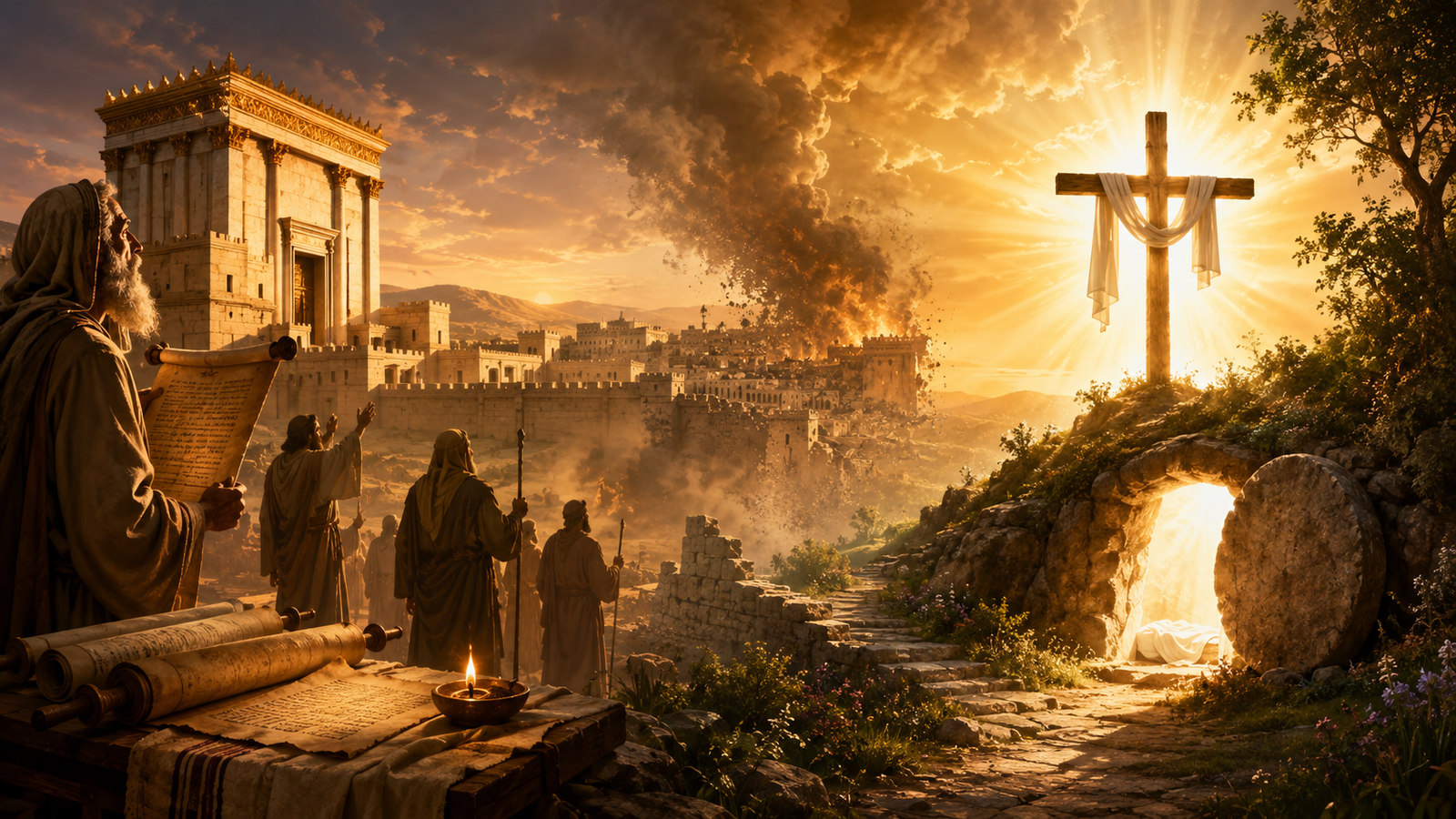
The Old Testament is filled with expectation. Its prophets looked forward to the coming of the Messiah, the establishment of righteousness, the defeat of sin, the restoration of God’s people, and the arrival of a new covenant. These promises were not vague religious hopes without a timeline. They were connected to Israel’s covenant history and pointed toward a specific redemptive climax. The prophets were looking forward, but the writers of the New Testament consistently announced that the long-awaited time had arrived. Jesus declared that the kingdom of God had drawn near. The apostles proclaimed that the promised age was breaking into history. They were not announcing the beginning of another indefinite period of waiting. They were declaring that God was completing what the prophets had anticipated.
This raises an important question: why do so many believers continue to treat fulfilled promises as future possibilities? Part of the answer is tradition. Once a theological system becomes established, generations inherit its assumptions without re-examining the original context of Scripture. A verse is often interpreted according to what a church tradition teaches rather than according to the audience, language, and historical setting in which it was first spoken. As a result, statements that originally addressed first-century believers are transferred to modern readers as though two thousand years had no significance.
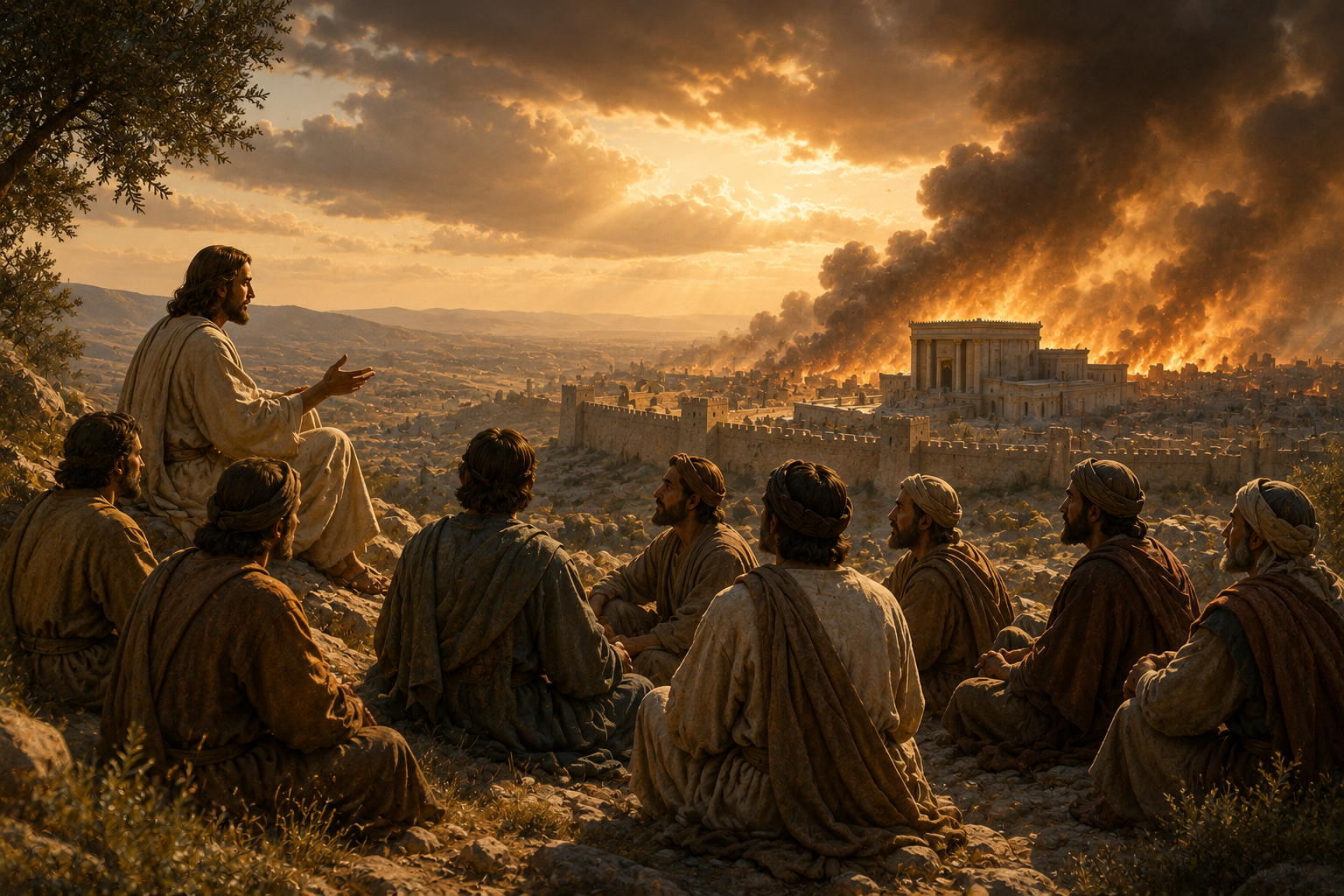
Matthew 24:34 stands at the center of this discussion. After describing dramatic events connected with Jerusalem, the Temple, persecution, judgment, and the coming of the Son of Man, Jesus said, “Truly I say to you, this generation will not pass away until all these things take place.” The natural meaning of “this generation” is the generation standing before him. Jesus had been speaking directly to his disciples, answering their questions about the Temple they could see with their own eyes. He warned them about events they would personally face and gave them instructions that made sense within their historical environment.
If Jesus meant a generation thousands of years in the future, his words would have offered little practical help to the disciples who originally heard them. But when the statement is read naturally, it becomes clear and urgent. Jesus was warning his own generation that the old covenant world centered on Jerusalem and the Temple was approaching its conclusion. His followers needed to recognize the signs, remain faithful, and understand that the coming judgment would confirm his authority and vindicate his message.
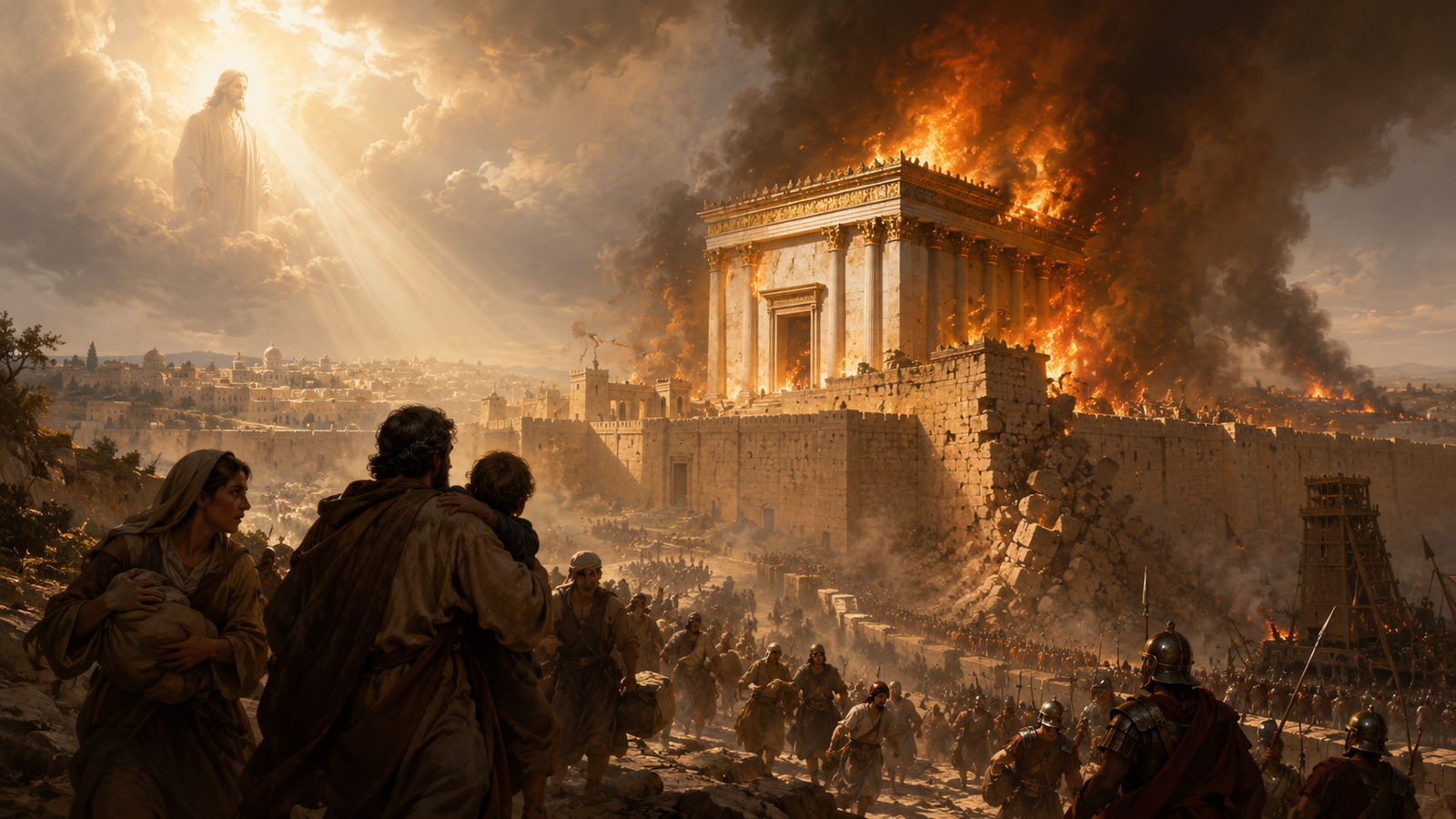
The destruction of Jerusalem in AD 70 therefore becomes more than an isolated historical tragedy. From the Gospel Revolution perspective, it represents the visible conclusion of the covenant age Jesus had confronted throughout his ministry. The Temple, priesthood, sacrifices, and institutional system that had defined Israel’s religious life were brought to an end. This did not mean that God had abandoned humanity. It meant that access to God was no longer organized around a physical sanctuary, a geographic location, or a religious class.
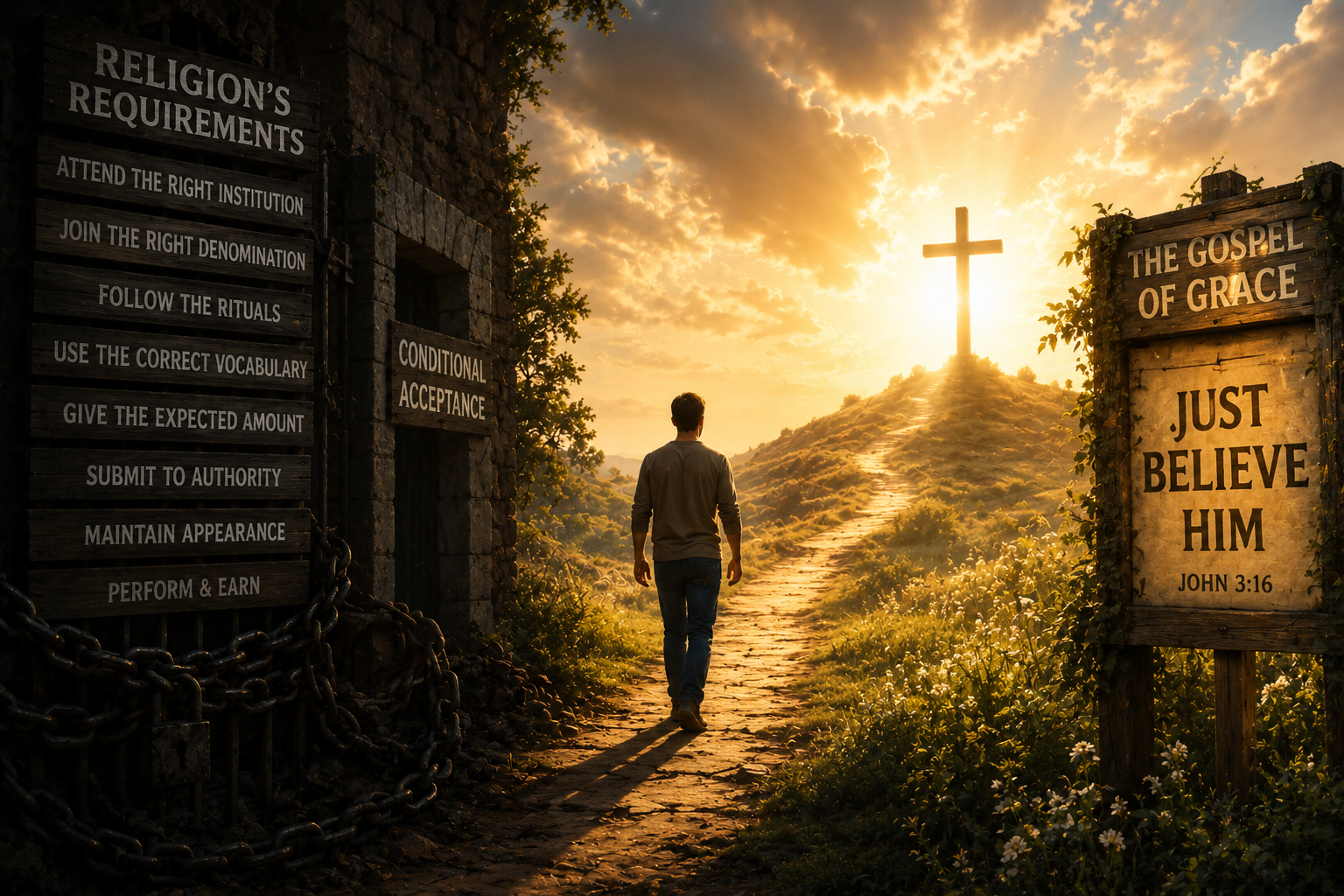
The New Testament repeatedly presents the work of Christ as complete and effective. Jesus did not merely make salvation possible while leaving humanity to finish the process through religious performance. He entered history to accomplish reconciliation. His death addressed sin, his resurrection defeated death, and his kingdom established a new relationship between God and humanity. The gospel is good news precisely because it announces what God has done, not an unfinished religious assignment that people must complete.
A future-only interpretation can unintentionally weaken the force of that message. When believers are constantly told that the decisive victory is still ahead, they may live as though Christ’s work was incomplete. Fear replaces assurance. Prophecy becomes an endless search for disasters. Faith becomes attached to speculation rather than to the finished work of Jesus. The New Testament, however, calls believers to live from victory, reconciliation, and confidence.
This does not mean that human history has no suffering or that every problem disappeared in the first century. It means that the central redemptive promises of Scripture reached their fulfillment in Christ and in the covenant transition he announced. People still experience grief, injustice, conflict, and death, but these realities do not prove that Jesus failed to accomplish his mission. The gospel addresses humanity’s deepest separation from God and declares that the barrier has been removed.
Understanding fulfillment changes the way Scripture is read. The Old Testament becomes the story of expectation. The Gospels record the arrival of the promised Messiah. The letters explain the meaning of his work during a transitional generation. Revelation describes the approaching judgment and victory that its original readers were told was near. Instead of stretching urgent first-century language across thousands of years, the reader can allow the biblical timeline to speak for itself.
The message is not that Christians should stop caring about the future. It is that they should stop postponing the good news. God is not waiting to become reconciled to humanity. Christ is not waiting to become victorious. The kingdom is not waiting for permission to begin. The gospel announces a finished work that can be trusted now.
For nearly two thousand years, many people have waited for something the New Testament presents as already accomplished. The Gospel Revolution invites readers to reconsider that assumption. What if Jesus meant what he said? What if the prophets were fulfilled, the covenant age reached its conclusion, and the finished work of Christ is truly finished? That possibility does not diminish the gospel. It makes the gospel genuinely good news.
This article reflects the ministry’s stated interpretation of Matthew 24:34, covenant fulfillment and the completed work of Christ.